

It began as just another normal weekday morning: pour-over coffee, shower, quick breakfast. I was about to literally roll out of our building on my bike and head to school to begin another day of teaching. It was Friday, a relatively light teaching day, and I was looking forward to ending the week on a high note.
As on any other day, I turned the lock on our front door, and to my surprise, I couldn’t open it. Let’s try this again, I told myself. And again. Crazy–the door wouldn’t open. Stuck inside, the only alternative was to climb out the window–our one window that doesn’t drop one-story to the ground below. Once outside, I confronted the same problem–it simply wouldn’t open, no matter what I did.
I biked to school and as I entered the building I was greeted by Joseph, a retired Hungarian navy veteran, who works at the school part-time at the front desk. I said my usual “hello” and he pointed to a door and said something that sounded like “locked.” What in the world, I wonder, is he talking about? Then it occurs to me, Joseph has somehow already heard through the school grapevine that I am locked out of our flat.
Just a few minutes earlier, I had messaged my colleague, Jusztina, seeking her help in getting a locksmith to come to our flat later in the day. She is quite a problem-solver, actually, make that a miracle worker. Within the hour, she had made arrangements to have a locksmith come to our place after the school day and asked two students to come along as translators on my behalf. The story had traveled like lightning through the school to my utter astonishment.
Having a contractor show-up on the day promised, let alone at the committed time, is not a common occurrence in Hungary. Yet all went according to plan on this particular fall afternoon. Tomas, the locksmith, resolved the problem in minutes. The students too had arrived as planned, a few minutes before the locksmith and they were more than able translators. The key problem, according to the locksmith, was that “It’s a cheap door from China.”
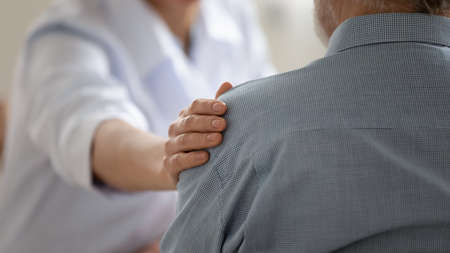
With everything having gone so smoothly, I wanted to express my appreciation to my students. So, we walked across the street to the neighborhood bakery and I treated them to pizza and soft drinks. Like kids anywhere, my offer was well received. With good feelings in abundance, we slipped into a candid conversation between a teacher and his students. Bence began by asking if he could ask me a “cultural question.” I was savoring the moment–removed from the formality of school, here we were about to talk informally about things that really mattered to them. “Steve,” he began, “I noticed that you put your hand on the locksmith’s shoulder. Why did you do that?” It struck me how observant Bence had been, and how much I had taken that gesture for granted. For me, I was unconsciously expressing my appreciation to the locksmith: his arriving when he said he would, his skill at solving my problem, even his lighthearted analysis that the door was essentially junk. I realize I do this almost routinely and, perhaps in some cases, to the discomfort of folks from other cultures. But my young student was engaging me on matters of cultural nuance and personal style, a priceless exchange indeed. We spent the good part of the next hour talking about Hungary, the U.S., traveling, and because we share the experience, living here in Budapest–some of the best conversations I’ve had with students here…
My day had come full circle, having started in frustration with a broken lock, and ending with a locksmith and a door wide open to my students.
 American in Budapest
2 responses to “The Locksmith”
Steve, the BEST kind no of story, so we’ll told.
LikeLike
Hey Buddy. I loved your locksmith story and I loved even more how this minor inconvenience brought you closer to your students and them to you. As usual, your writing style is one of a great storyteller. I look forward to more of your stories and experiences in Hungary and beyond. Love. David
LikeLike